

Stetement by Richard Smith, RHA MD
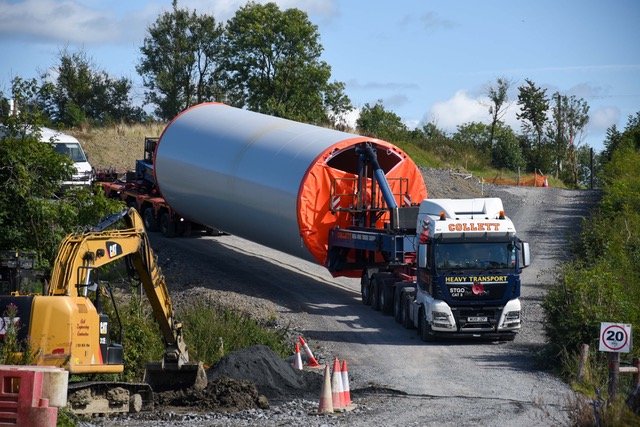
“Our campaign to tackle issues hauliers face moving abnormal loads reached a significant milestone this week.
We met with senior police officers from across the country to review the draft of new national guidance to help officers better support hauliers moving loads.
Members had told us that there’s increasing inconsistency with how police were managing notification processes, with some forces imposing short-notice embargoes on movements so something needed to be done.
We joined forces under the Abnormal Loads Group (ALG) banner we’re leading to address specific concerns with individual forces and to encourage officers across the country to apply guidelines consistently; one of the regular complaints we’ve heard is that neighbouring forces can apply rules very differently which makes cross-force movements particularly problematic.
All of this adds cost – we commissioned an impact assessment which concluded that the total costs in terms of economic output, measured as Gross Added Value (GVA), stands at up to £584 million per year.
It was clear to us that we needed to talk to senior officers with a national remit so we got in touch with the National Police Chiefs Council (NPCC) – a body which co-ordinates senior officers across forces to drive consistency and improvement across policing.
They agreed to review national guidelines on how forces should manage abnormal loads processes and movements with standing guidance considered out of date and in need of revision.
The NPCC’s operational lead for roads, Chief Superintendent Marc Clothier has been very receptive to the ALG and brought us in to contribute.
They will promote the published version to police forces and said they will drive the message to senior leaders that they must ensure their officers and police staff supporting hauliers with abnormal loads are sufficiently upskilled.
This is a little way down the line, but we have fed back to police leaders this week on the draft and offered some recommendations which we believe will drive the consistency we want to see.
We’re calling for reasonable notification periods, the proportionate use of embargoes and paid-for police services, and training for practitioners. We look forward to reviewing updated guidance which we’re hopeful will be issued to forces shortly.
The progress we’ve made to get us where we are now has only been possible through collaboration. This campaign started after hauliers and other stakeholders got together, shared experiences, devised a plan of action and sought out the right people to speak to. This led us to the NPCC with whom we’ve built a strong and mutually beneficial relationship to address these issues. It also sets us up to work together with police as trusted partners on other challenges – and indeed opportunities – in the future.
We’re sympathetic that the police have an incredibly difficult job to do. Keeping people safe is their number one priority. It’s the same for us too. We all have a duty to ensure that we do everything we can to make our roads as safe as possible. But we need to ensure that police efforts to do so aren’t hallmarked by practices which adds cost and delays to projects, and do nothing to make people safer.”